


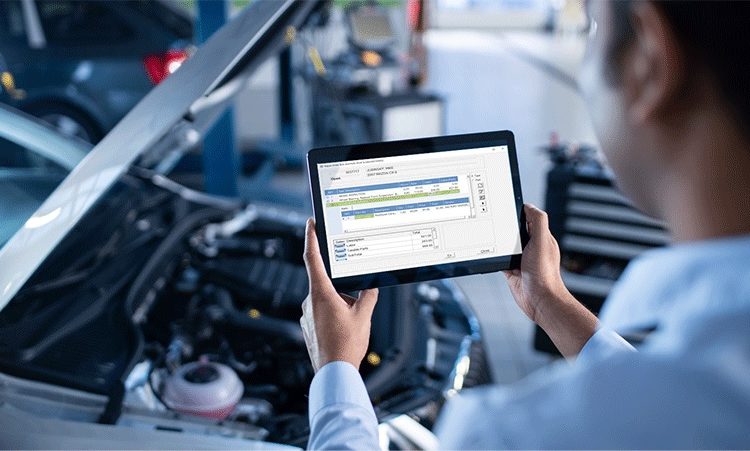
In the automotive repair industry, efficiency determines profitability and customer satisfaction. As repair shops strive to deliver faster service and maintain seamless operations, many are turning to cloud-based auto repair software. This modern technology eliminates the limitations of traditional, locally installed systems, giving shop owners and technicians access to tools that streamline operations, improve accuracy, and increase transparency. The future of auto repair is digital, and the shift toward cloud-based platforms is redefining what efficiency truly means for today’s repair businesses.
The Evolution of Auto Repair Management Technology
Auto repair management has evolved significantly over the past two decades. In the early days, most shops relied on manual logs, paper invoices, and whiteboards to track jobs. As technology advanced, on-premise software systems emerged, providing basic automation for invoicing and scheduling. However, these systems were limited—they required manual updates, data backups, and local server maintenance.
Cloud-based systems revolutionized the industry by removing these barriers. They allow access from any internet-connected device, ensuring real-time updates and scalability that traditional software cannot match. This innovation has become a competitive necessity for any repair shop seeking to optimize its workflow and customer service.
How Cloud-Based Software Transforms Repair Shop Operations
1. Accessibility Anytime, Anywhere
One of the defining advantages of cloud-based auto repair software is remote accessibility. Shop owners, technicians, and service advisors can log into the system from any device—laptop, tablet, or smartphone. Whether checking job statuses from home, ordering parts on the go, or approving estimates from another location, the cloud keeps everyone connected.
Practical benefits include:
- Instant access to work orders and repair histories from any location
- Real-time collaboration among technicians and managers
- Seamless operation for multi-location shops
- Reduced downtime due to on-site hardware failures
This flexibility empowers shop owners to manage operations even when they’re not physically present, ensuring business continuity under any circumstance.
2. Streamlined Job Scheduling and Workflow
Efficient job scheduling directly impacts productivity and turnaround time. Cloud-based systems automatically sync appointments, technician assignments, and repair updates in one centralized dashboard. This eliminates double-booking, reduces idle time, and allows for easy rescheduling when emergencies arise.
Workflow improvements include:
- Dynamic technician scheduling based on skill and workload
- Real-time updates when tasks are completed or delayed
- Integrated time-tracking for labor cost accuracy
- Clear visibility into each repair stage for all team members
With these tools, shops can handle more vehicles each day without overwhelming staff or sacrificing service quality.
3. Integrated Inventory Management
Auto repair shops often struggle with inventory control—either overstocking parts or running out at critical moments. Cloud-based software provides automated inventory tracking with real-time visibility into parts availability. When a part is used, the system automatically adjusts stock levels and alerts managers when reordering is necessary.
Key benefits:
- Automated reordering based on usage and minimum thresholds
- Supplier integration for easy part sourcing
- Tracking of part warranties and pricing history
- Data analytics for identifying high-turnover items
This automation not only prevents costly delays but also helps optimize spending by reducing overstock.
4. Improved Customer Communication and Trust
In an era where customer expectations are higher than ever, communication can make or break a repair shop’s reputation. Cloud-based software enhances customer experience by offering automated updates and transparent communication channels.
Customer-facing advantages:
- Digital vehicle inspection (DVI) reports with photos and videos
- Automated text or email notifications for repair status
- Online approvals for recommended services
- Access to detailed service history via customer portals
By maintaining open communication, customers feel more informed and in control, leading to higher satisfaction and repeat business.
5. Real-Time Data Insights and Reporting
Data-driven decision-making has become a cornerstone of modern business success. Cloud-based auto repair software gives shop owners real-time access to detailed reports that highlight key performance metrics. This includes technician productivity, parts usage, profit margins, and customer retention rates.
Examples of valuable insights:
- Average repair completion time per technician
- Most profitable services and labor categories
- Sales performance trends over time
- Cost breakdown for parts, labor, and overhead
With these insights, shop owners can identify bottlenecks, forecast demand, and make strategic decisions to improve overall profitability.
6. Seamless Integration with Accounting and Payment Systems
Manual data entry between repair and accounting systems often leads to errors and inefficiencies. Cloud-based platforms solve this problem by integrating seamlessly with financial tools such as QuickBooks or other accounting software. This ensures that invoices, expenses, and payments sync automatically.
Financial benefits include:
- Instant invoice creation and online payment options
- Automated tax and discount calculations
- Reduced bookkeeping time and human error
- Real-time revenue tracking and cash flow visibility
By connecting operational and financial data, shops gain a holistic view of their business performance in one place.
7. Enhanced Security and Data Protection
Data security is a major concern for businesses handling sensitive customer and payment information. Cloud-based solutions employ advanced encryption protocols, secure logins, and regular backups to protect data against breaches, hardware failures, and disasters.
Security highlights:
- Multi-factor authentication for all users
- Daily automatic data backups
- Compliance with data protection regulations
- Controlled access levels for employees
Unlike traditional on-site systems vulnerable to hardware loss or damage, cloud software ensures business continuity even during unforeseen events.
8. Scalability for Multi-Location Growth
As repair shops grow, managing multiple locations becomes increasingly complex. Cloud-based systems make scaling simple by allowing all locations to operate under a unified platform. This means owners can track inventory, employee performance, and financial data across all branches in real time.
Scalability advantages:
- Centralized reporting for all shop locations
- Consistent workflows and pricing across branches
- Shared customer database for better service continuity
- Easy onboarding of new locations without complex setup
With this scalability, repair shop owners can expand operations confidently while maintaining operational control.
How Cloud-Based Auto Repair Software Improves Technician Productivity
Technicians are the backbone of every repair shop, and their efficiency determines how quickly and accurately jobs get done. Cloud-based systems give technicians instant access to work orders, service histories, and vehicle data. This eliminates the need for printed job sheets or waiting for front-office staff to provide information.
Direct technician benefits:
- Access to service manuals and repair history from tablets
- Real-time status updates to service advisors
- Quick part lookup and order requests
- Digital time tracking for precise labor billing
Technicians spend less time on administrative tasks and more time doing what they do best—repairing vehicles efficiently and accurately.
Reducing Overhead Costs with Cloud Solutions
Traditional software often involves hidden costs, including licensing fees, server maintenance, and hardware upgrades. Cloud-based auto repair software, on the other hand, operates on a subscription model, which typically includes updates, support, and data hosting.
Cost-saving benefits include:
- No need for expensive local servers
- Free automatic updates and feature enhancements
- Lower IT and maintenance expenses
- Predictable monthly or annual pricing
This cost-effective structure makes advanced management tools accessible even for small or medium-sized repair shops.
Environmental and Space Efficiency
Switching to a cloud-based system supports sustainability initiatives. Going paperless reduces waste and clutter, freeing up valuable shop space. Digital work orders, invoices, and inspection reports replace physical documents, helping shops stay organized and environmentally responsible.
Eco-friendly advantages:
- Reduced paper consumption and printing costs
- Digital recordkeeping for easy retrieval
- Smaller physical storage requirements
- Alignment with modern sustainability practices
In addition to improving operational efficiency, these practices enhance a shop’s brand image as a forward-thinking, eco-conscious business.
Preparing for the Future of Automotive Technology
The automotive industry is evolving rapidly with connected cars, electric vehicles, and predictive maintenance technologies. Cloud-based systems are best positioned to integrate with these innovations. For example, IoT-enabled diagnostics can feed real-time vehicle data directly into repair management platforms, allowing shops to anticipate service needs before a breakdown occurs.
Future-ready features may include:
- AI-powered repair predictions based on vehicle data
- Integration with manufacturer diagnostic systems
- Automated maintenance reminders synced with vehicle mileage
- Predictive inventory restocking based on repair trends
This level of technological synergy ensures that shops stay relevant and prepared for emerging automotive trends.
FAQs
Q1. How does cloud-based auto repair software differ from on-premise systems?
Cloud-based systems store data on secure online servers, allowing access from any device with an internet connection. On-premise systems rely on local installations and manual updates, which limit flexibility and scalability.
Q2. What happens if the internet connection goes down?
Most cloud-based systems offer offline functionality. Data entered while offline syncs automatically once the connection is restored, ensuring uninterrupted workflow.
Q3. Can cloud software handle multiple shop locations?
Yes. Multi-location support is a key strength of cloud-based platforms. All shops can share data and maintain consistent processes across locations, improving coordination and oversight.
Q4. How secure is customer information stored in the cloud?
Cloud software uses advanced encryption and multi-layer security protocols to protect sensitive information. Regular backups and secure login authentication add an extra layer of protection.
Q5. Is the transition to cloud-based software complicated?
Not at all. Most providers offer guided onboarding, data migration support, and user training to ensure a smooth transition with minimal downtime.
Adopting cloud-based auto repair software isn’t just a technological upgrade—it’s a strategic move toward a more efficient, scalable, and future-ready business model. With real-time access, automation, and powerful analytics, repair shops can enhance productivity, reduce costs, and deliver exceptional customer experiences that define the future of automotive service excellence.
