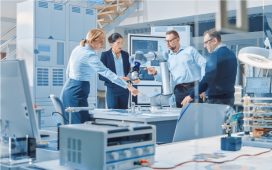


The concept of industry is central to modern economies, driving innovation, employment, and wealth creation. Industries form the backbone of economic development, encompassing the production, processing, and distribution of goods and services. Understanding the dynamics of industry is essential for investors, policymakers, business leaders, and consumers alike. In this article, we explore the intricacies of industry, including types, organization, historical evolution, technological integration, and future trends.
What Defines an Industry
An industry refers to a group of businesses or organizations that produce similar products or services. It is not limited to a single company but represents an entire sector of the economy characterized by shared technologies, processes, and customer bases. Key characteristics of an industry include:
- Common output: Companies within an industry typically offer products or services that fulfill similar needs.
- Interconnected supply chains: Industries often rely on suppliers, manufacturers, and distributors to complete the production cycle.
- Market competition: Firms within an industry compete for market share, innovation, and consumer loyalty.
- Regulatory framework: Most industries operate under specific regulations and standards to ensure safety, quality, and fairness.
Industries are the engines that transform raw materials into finished goods, provide essential services, and shape economic landscapes.
Classification of Industries
Industries can be categorized in various ways, depending on the nature of production, sector focus, and technological intensity. Understanding these classifications is crucial for strategic planning and investment decisions.
1. Primary Industry
Primary industries focus on extracting and harvesting natural resources. They serve as the foundation for secondary and tertiary industries. Examples include:
- Agriculture and farming
- Mining and extraction of minerals
- Fishing and aquaculture
- Forestry and timber production
Primary industries are highly dependent on natural conditions, climate, and resource availability. They are sensitive to environmental regulations and sustainability concerns.
2. Secondary Industry
Secondary industries process raw materials into finished goods. This category includes manufacturing, construction, and energy production. Key examples:
- Automobile manufacturing
- Steel and metal production
- Textile and apparel manufacturing
- Chemical and pharmaceutical production
Secondary industries often require significant capital investment, advanced technology, and skilled labor to maintain efficiency and competitiveness.
3. Tertiary Industry
The tertiary industry, also known as the service sector, focuses on providing services rather than tangible goods. This sector has grown rapidly in modern economies due to urbanization and digitalization. Examples include:
- Retail and wholesale trade
- Banking and financial services
- Healthcare and education
- Tourism and hospitality
Tertiary industries are heavily dependent on human capital, customer experience, and technological integration to ensure service quality and scalability.
4. Quaternary and Quinary Industries
- Quaternary industries focus on knowledge-based services, research, and information technology, including software development, data analytics, and consulting.
- Quinary industries deal with high-level decision-making, policy development, and executive management. They include government, corporate leadership, and non-profit administration.
These advanced sectors are critical for innovation, strategic decision-making, and shaping long-term economic growth.
Evolution of Industry
The evolution of industry is marked by historical milestones, each representing significant technological, social, and economic shifts.
Industrial Revolution
The Industrial Revolution of the 18th and 19th centuries transformed production from manual labor to mechanized manufacturing. Key innovations included:
- Steam engines and mechanized factories
- Textile mills and mass production techniques
- Railroads and improved transportation infrastructure
This period marked the rise of urban centers, increased productivity, and the establishment of modern corporate structures.
Second Industrial Revolution
The late 19th and early 20th centuries saw the emergence of mass production, electricity, and chemical industries. Innovations included:
- Assembly line manufacturing
- Electrical power and lighting systems
- Telegraphy, telephony, and early communication networks
The Second Industrial Revolution facilitated global trade expansion, improved labor specialization, and accelerated technological progress.
Digital Revolution
From the late 20th century onward, industries underwent digital transformation. Information technology, computers, and the internet reshaped production, management, and consumer engagement. Key developments:
- Automation and robotics in manufacturing
- E-commerce and digital marketplaces
- Cloud computing and big data analytics
The digital revolution enabled industries to enhance efficiency, reduce costs, and create entirely new business models.
Industrial Organization and Structure
Industries are composed of interconnected firms, each contributing to the sector’s efficiency and competitiveness. The organization of industry involves several dimensions:
Market Structure
- Perfect competition: Numerous small firms with similar products, minimal barriers to entry, and high consumer choice.
- Monopolistic competition: Many firms offer differentiated products, creating brand-driven competition.
- Oligopoly: Few dominant firms control the majority of market share, influencing pricing and production.
- Monopoly: A single firm dominates, often regulated to prevent abuse of market power.
Understanding market structure helps companies position themselves strategically and optimize resource allocation.
Supply Chain Integration
Supply chain management ensures seamless movement of raw materials, production, and distribution. Key elements:
- Supplier selection and relationship management
- Inventory control and logistics optimization
- Distribution networks and retail partnerships
- Technology integration for tracking and efficiency
Efficient supply chains are critical for cost management, quality control, and customer satisfaction.
Research and Development
R&D drives innovation within industries. Firms invest in R&D to develop new products, enhance processes, and maintain a competitive edge. R&D activities include:
- Product prototyping and testing
- Process optimization and automation
- Market trend analysis and forecasting
- Collaboration with universities, startups, and research institutions
Industries that prioritize R&D often achieve long-term sustainability and market leadership.
Technology and Industry
Technological adoption is central to industrial success. Modern industries leverage technology in several key areas:
- Automation: Reduces manual labor, increases precision, and accelerates production timelines.
- Artificial Intelligence: Enhances predictive maintenance, market forecasting, and customer experience.
- Internet of Things (IoT): Connects machines, devices, and sensors for real-time monitoring and data collection.
- Blockchain: Ensures transparency, security, and traceability in supply chains and financial transactions.
Industries that effectively integrate technology gain operational efficiency, reduce costs, and achieve innovation-driven growth.
Challenges Faced by Modern Industries
Industries encounter various challenges that require strategic planning, flexibility, and resilience:
- Environmental Regulations: Industries must comply with laws limiting emissions, waste, and resource consumption.
- Global Competition: Companies face pressure from international competitors offering lower costs or innovative solutions.
- Economic Fluctuations: Recessions, inflation, and currency volatility impact demand and profitability.
- Talent Shortages: Highly skilled labor is essential for technological and operational excellence.
- Cybersecurity Risks: Digitalization increases exposure to data breaches and operational disruptions.
Addressing these challenges is essential for sustaining growth and maintaining industry relevance.
Measuring Industrial Performance
Performance metrics help assess industry health, competitiveness, and sustainability. Key indicators include:
- Output and Productivity: Total goods and services produced relative to inputs used.
- Revenue and Profit Margins: Financial health and efficiency of operations.
- Innovation Index: Number of patents, R&D investments, and new product launches.
- Sustainability Metrics: Energy efficiency, carbon footprint, and waste management.
- Market Share and Customer Satisfaction: Competitive positioning and consumer perception.
Monitoring these metrics ensures industries can respond proactively to market changes and maintain long-term viability.
The Future of Industry
Industries are poised for significant transformation driven by technological, environmental, and social factors. Emerging trends include:
- Sustainable Practices: Circular economy models, renewable energy adoption, and eco-friendly production processes.
- Industry 4.0: Fully digital, interconnected manufacturing ecosystems powered by AI, IoT, and robotics.
- Globalization and Localization: Industries will balance global reach with local customization and market sensitivity.
- Remote and Hybrid Work: Knowledge-based industries increasingly adopt flexible working models to attract top talent.
- Innovation-Led Growth: Continuous product and process innovation will define competitive advantage.
Industries that adapt to these trends will thrive, while those resistant to change may face decline.
Frequently Asked Questions About Industry
Q1: How does industry differ from a company?
An industry encompasses multiple companies producing similar goods or services, whereas a company is a single legal entity operating within an industry.
Q2: What are the key types of industries?
Industries are categorized as primary (raw materials), secondary (manufacturing), tertiary (services), quaternary (knowledge-based), and quinary (high-level decision-making).
Q3: Why is technology important for modern industries?
Technology enhances efficiency, accuracy, scalability, and innovation, allowing industries to compete effectively and respond to market demands.
Q4: How do industries measure success?
Industries track performance using metrics like output, productivity, revenue, profit margins, innovation index, sustainability, market share, and customer satisfaction.
Q5: What challenges do industries face today?
Modern industries face environmental regulations, global competition, economic volatility, talent shortages, and cybersecurity threats.